check_circle error info report

Cart (0)

Your cart is empty

star_rate star_rate star_rate star_rate star_rate_half

4.75/5

(4 reviews)

WALL LAMP | APOLLO

$106 $156
-32%

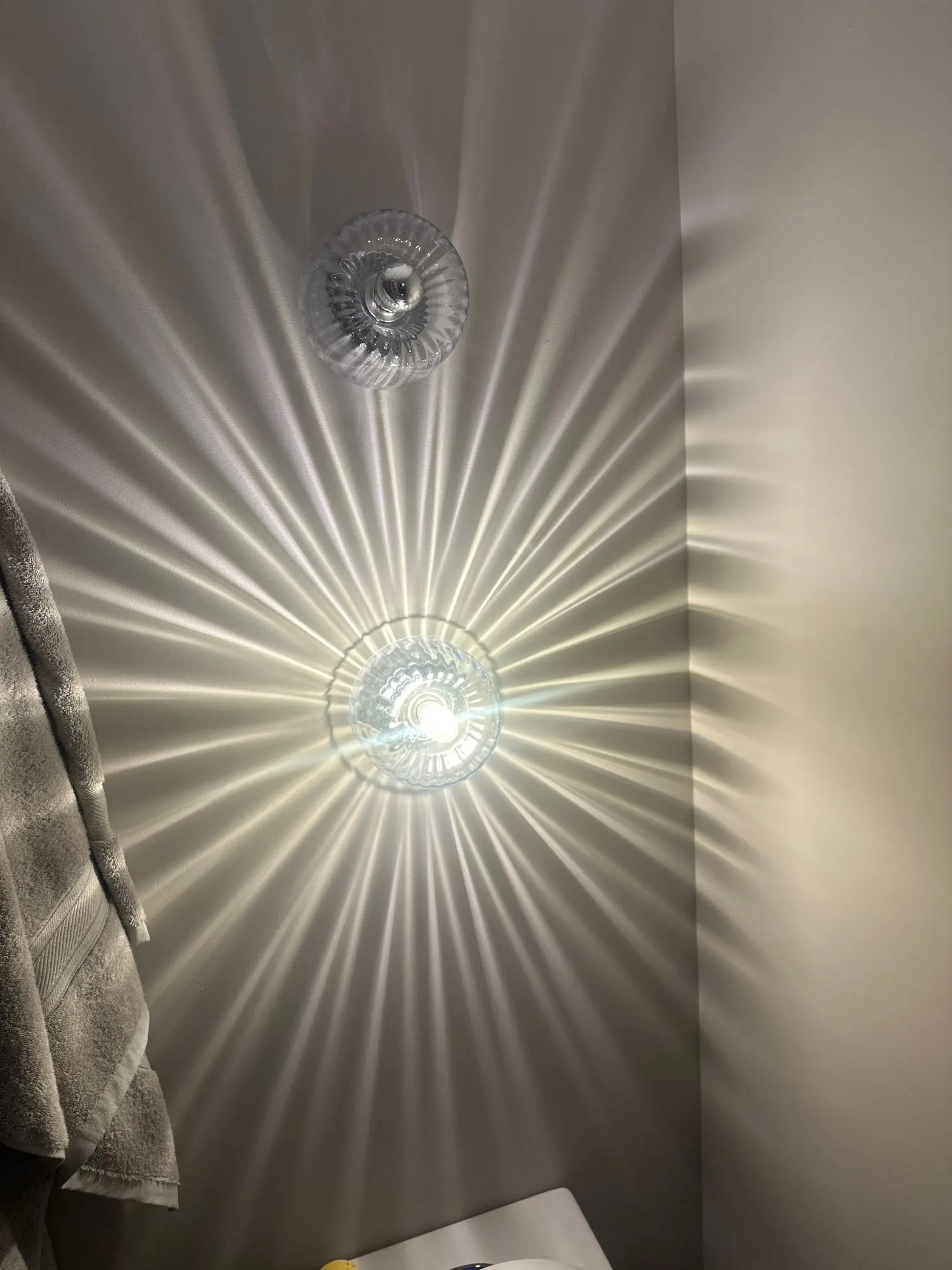
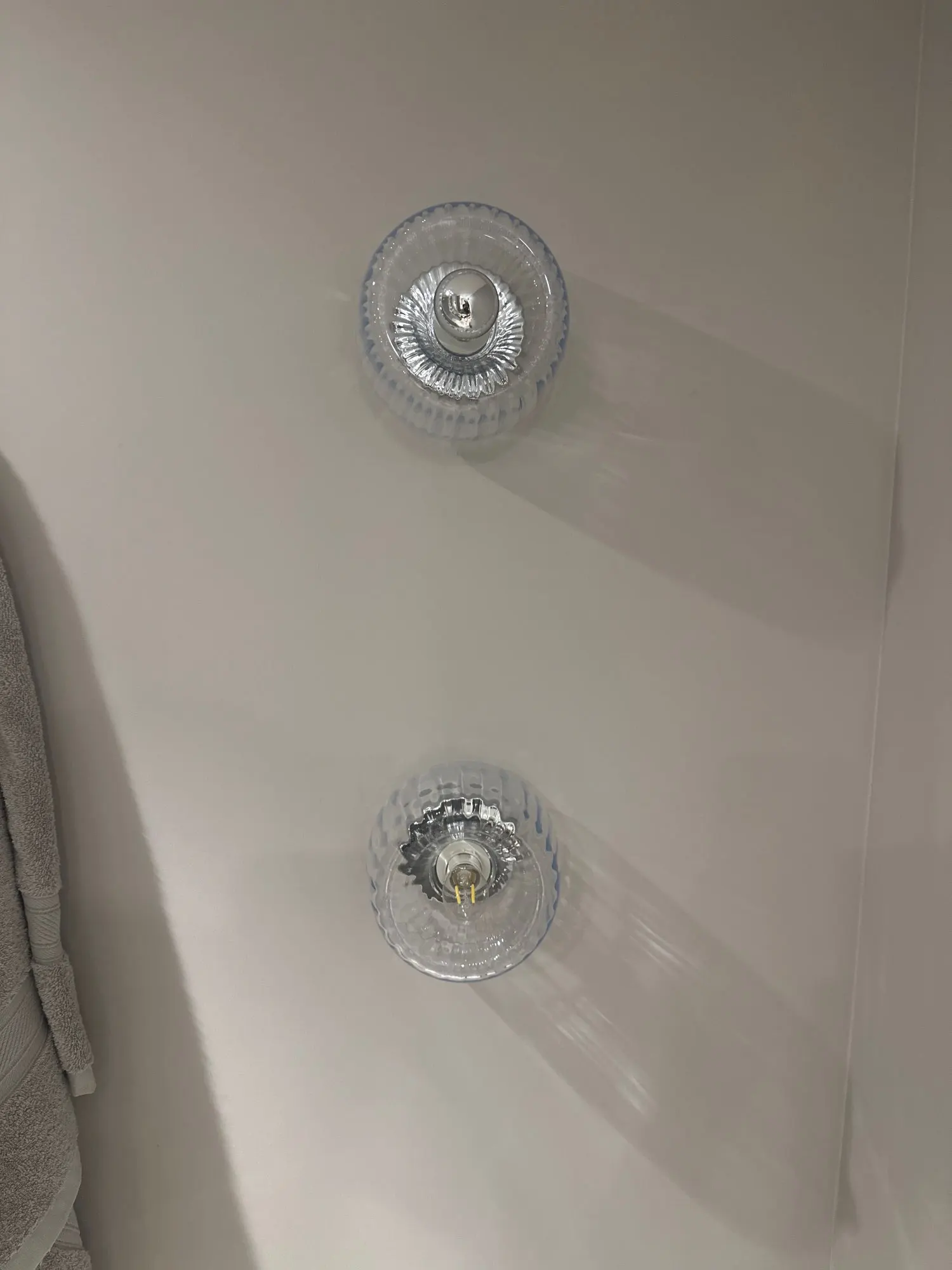
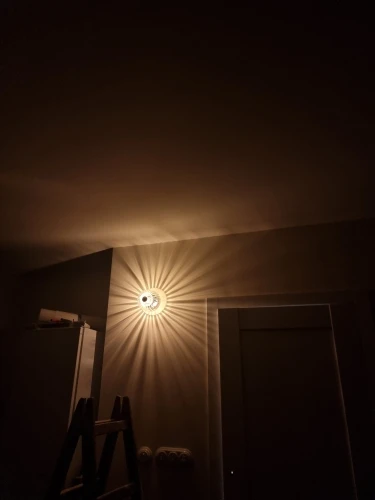
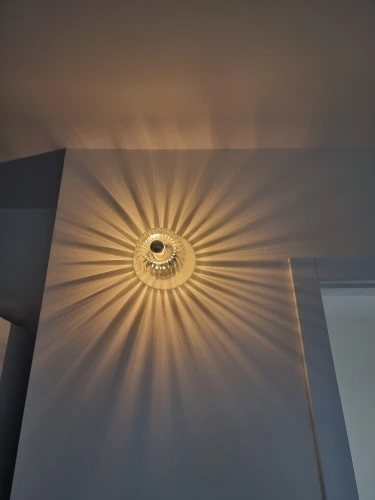
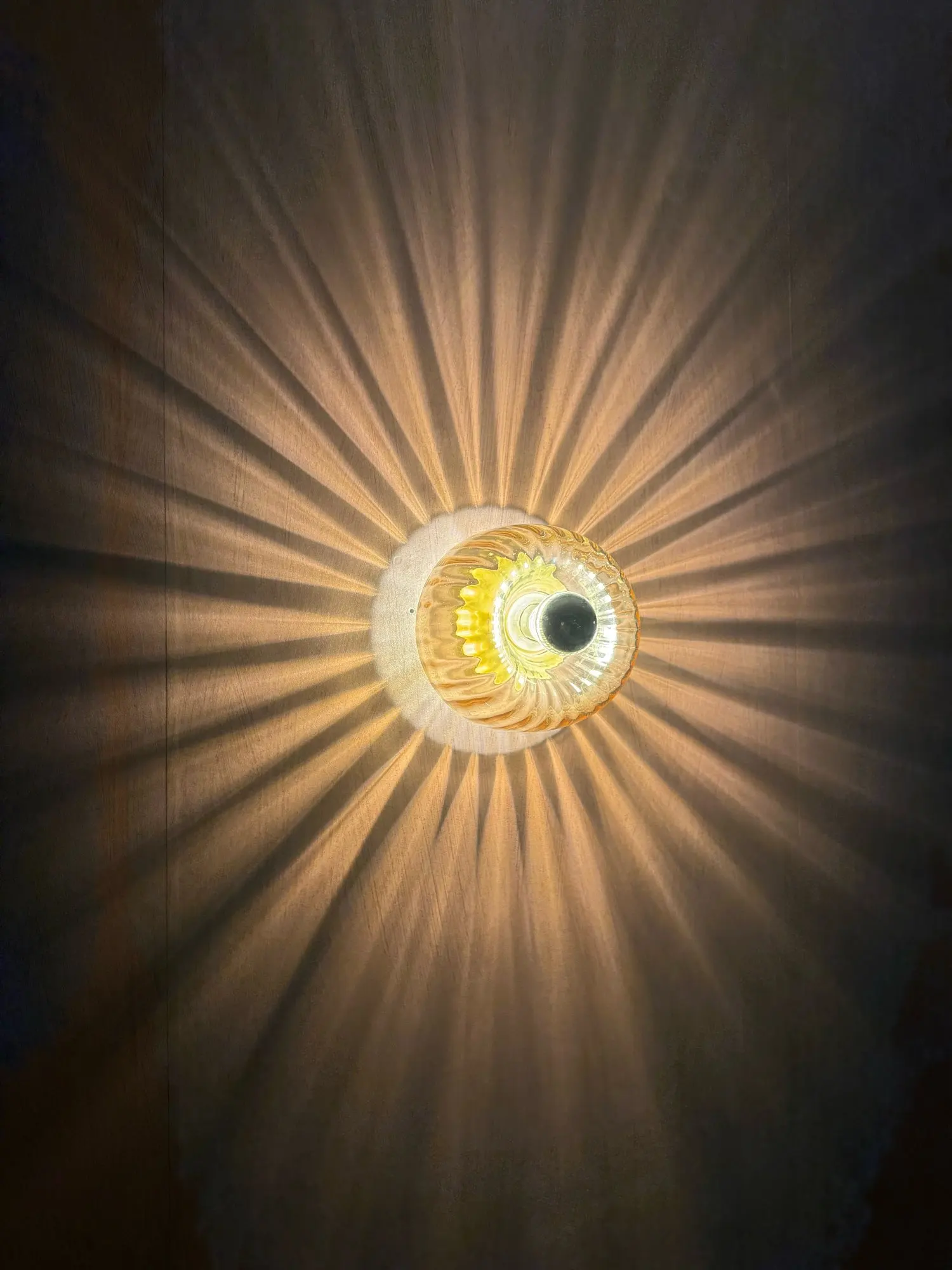
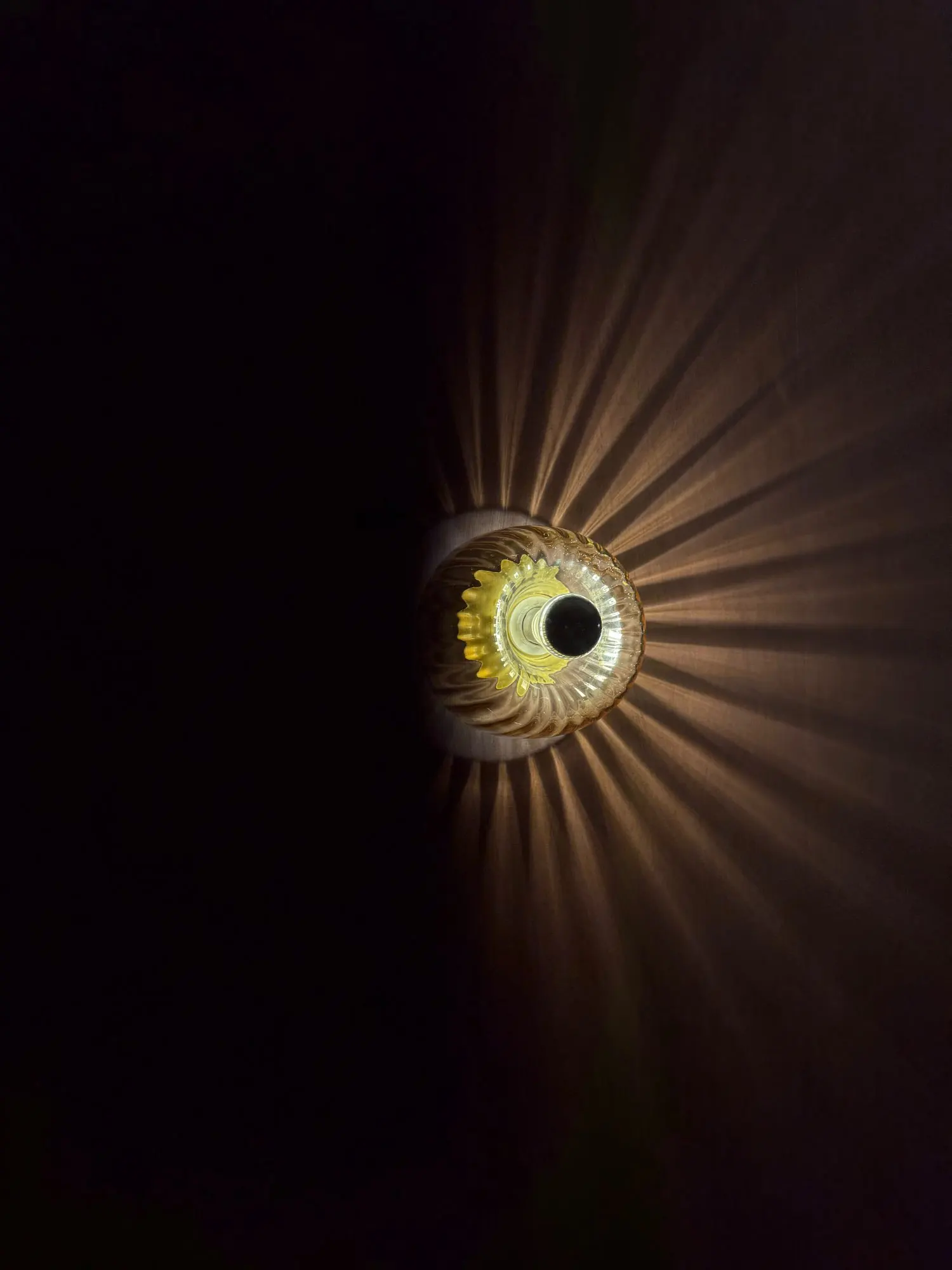
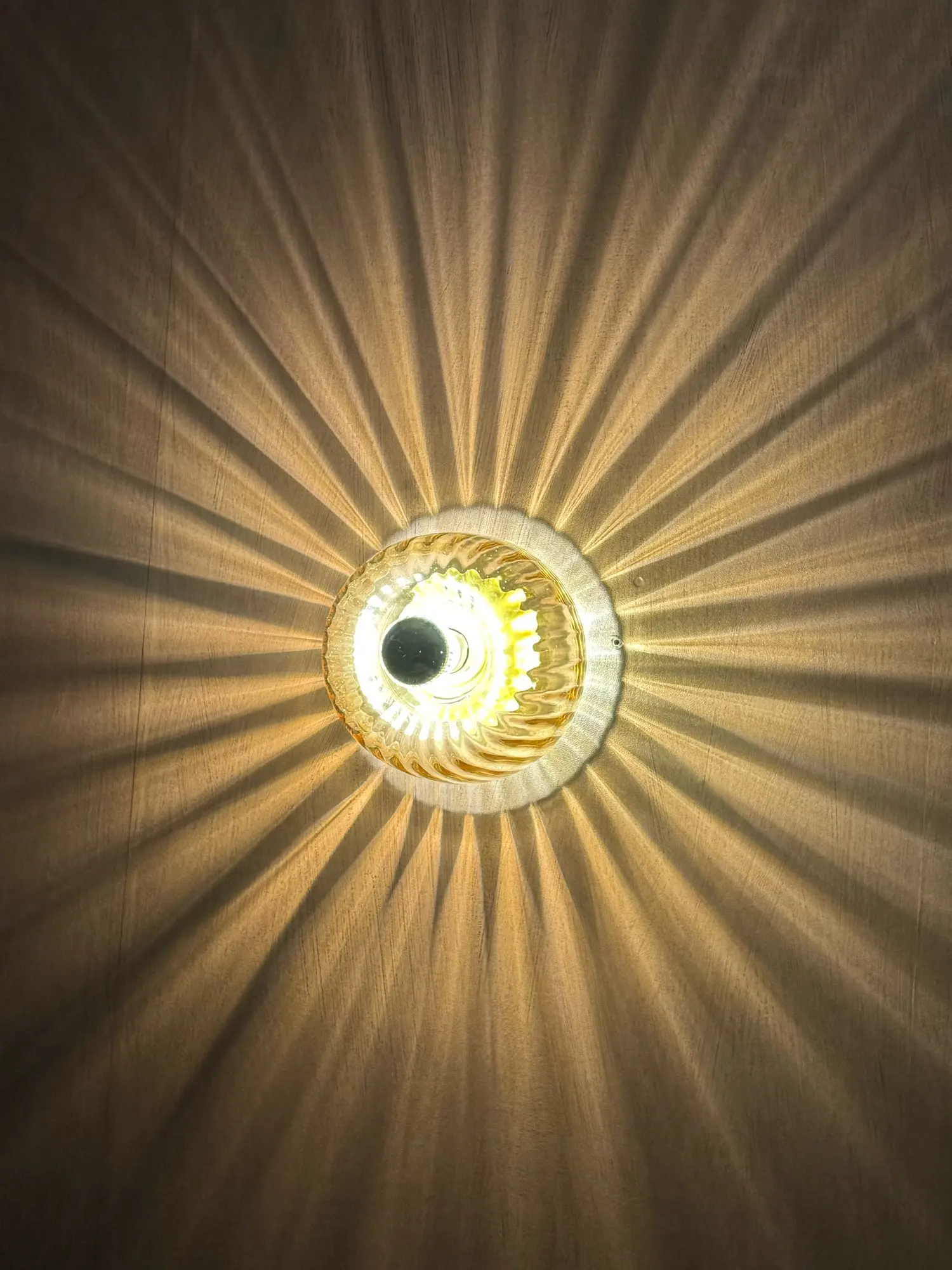
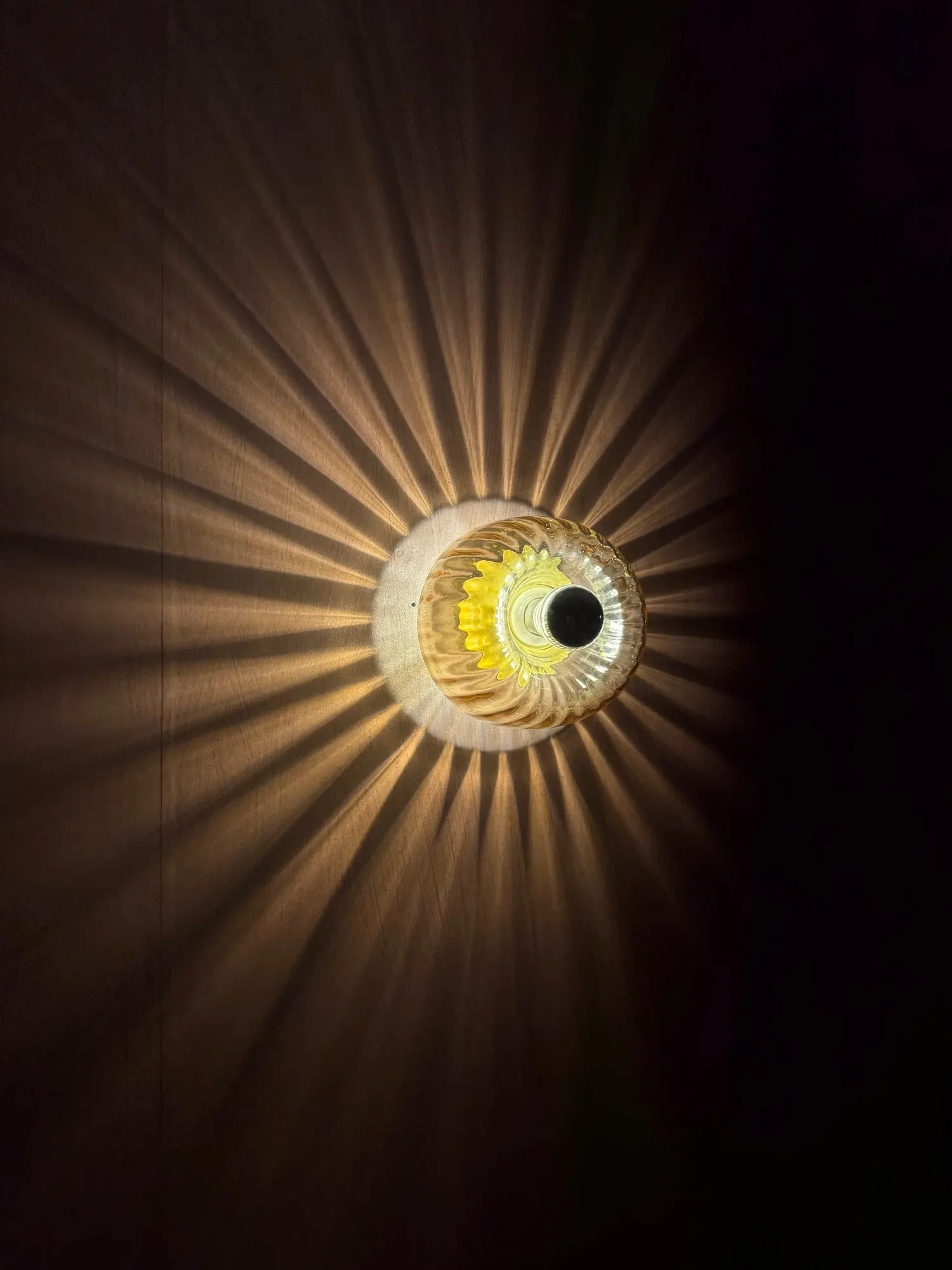
This wall light uses high-precision fluted glass to sculpt light. The vertical grooves of the glass act as prisms, stretching the luminous flux into a spectacular solar radiation on your walls. The contrast between noble metal and the lines of light created by the glass brings architectural dynamics and vibrant clarity to your space.

"Apollo draws its name from the Greek god of the sun, whose radiant brilliance inspired the prismatic glass that projects rays of light across your walls."

COLOR
Wattage
100% Secure payment 1 year warranty Free shipping on all orders
Visa Mastercard Apple Pay Google Pay Shop Pay American Express Diners Club Discover
SPECIFICATION keyboard_arrow_down
add remove

Type: Wall Light

Material: Metal / Fluted Glass

Light Source: LED (E27 bulb)

Bulbs Included: No

Dimmable: No

Light Direction: Up & Down

Installation: Wall Mounted

Power Supply: AC

Voltage: 90-260V

Lighting Area: 3-5 m²

Compatible Rooms: Living Room, Bedroom, Dining Room, Office, Hallway, Bathroom

DIMENSIONS keyboard_arrow_down
add remove

L = Length - W = Width - H = Height - D = Diameter - Canopy = Ceiling mount plate

All variants: D6.3" / 16cm - Extends from wall 5.1" / 13cm - Base D3.9" / 10cm - Body W3.5" / 9cm

SHIPPING keyboard_arrow_down
add remove

Orders are processed Monday through Friday, within 1-2 business days after order confirmation.

Delivery takes 6 to 18 business days, depending on the product and your location.

You will receive tracking information within 24 hours of your order leaving our warehouse, sent to the email address provided at checkout.

View our full shipping policy

RETURNS keyboard_arrow_down
add remove

Returns and exchanges are accepted within 14 days of receiving your order.

To initiate a return, contact us with your order number.

View our full return & refund policy

Galaxy Lightning WALL LAMP | APOLLO Image

Or Install It as a Ceiling Light

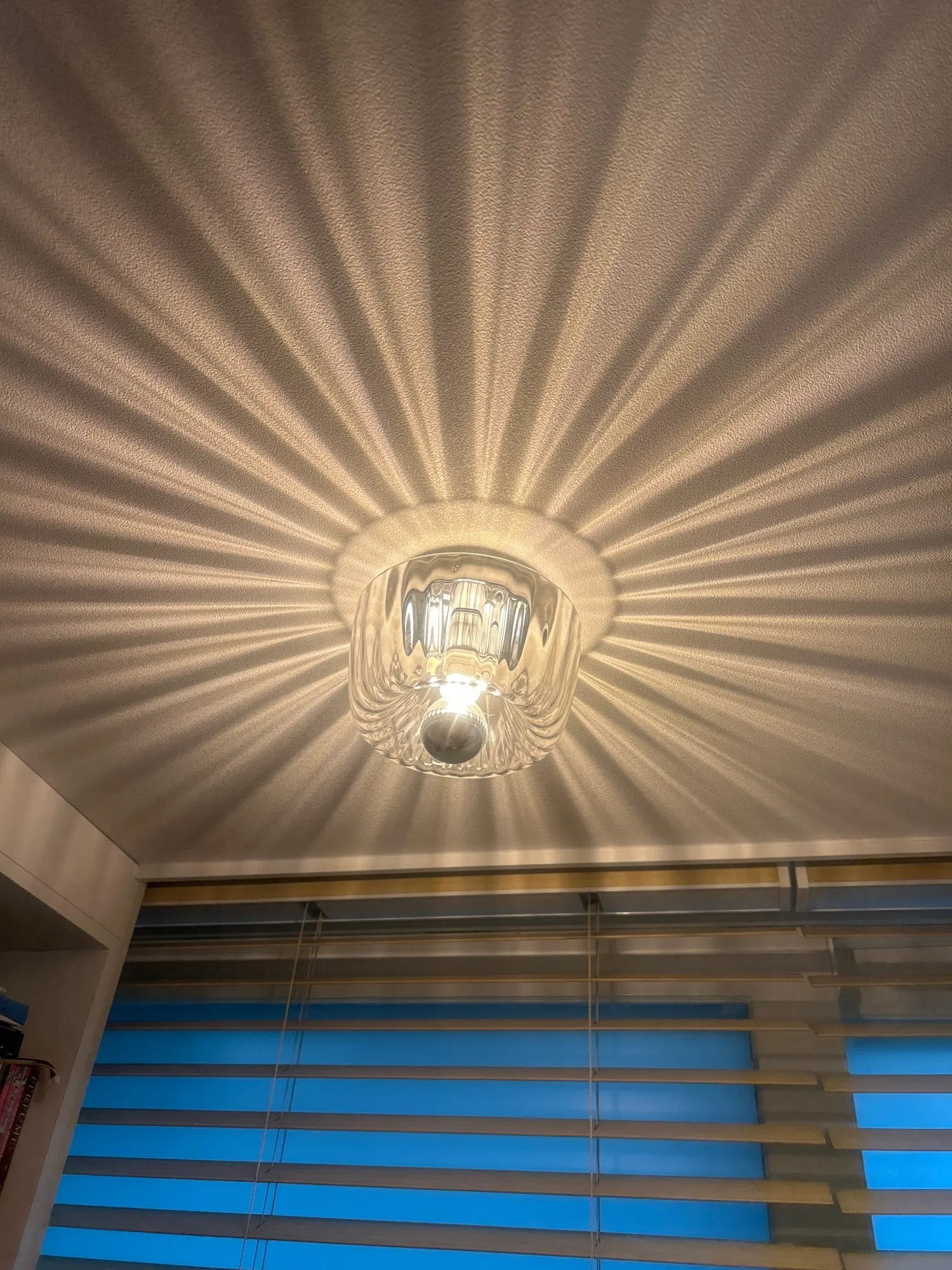
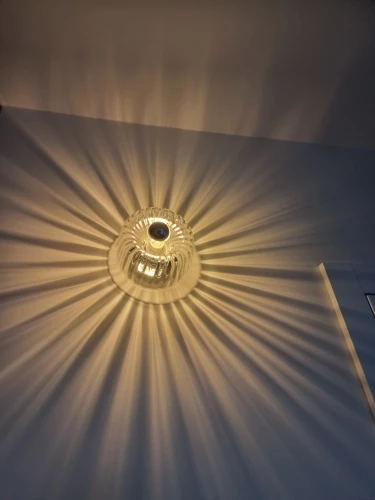
The Apollo is equally at home on the ceiling, where its fluted glass projects the same prismatic light effect downward across the room below.

Mounted flush against the ceiling, it delivers generous coverage while maintaining a sleek, compact profile that works in bedrooms, dining rooms, and corridors where you want refined lighting without a pendant hanging down.

This dual-purpose versatility means you can use the Apollo consistently throughout your home, on the walls in one room and on the ceiling in another, maintaining a cohesive design language across every space.

Galaxy Lightning WALL LAMP | APOLLO Image

Use It as a Wall Sconce

Mount the Apollo on any wall to transform it into a refined focal point that draws the eye with its fluted glass and prismatic light patterns.

The vertical grooves in the glass scatter the light outward in radiating lines that stretch across the surface of the wall, creating a dynamic visual effect that changes depending on the viewing angle.

Whether flanking a hallway mirror, framing a headboard, or highlighting an architectural feature, the Apollo brings both functional illumination and a decorative presence that elevates the character of any room.

The designers we work with imagine the finest lighting

They follow the trends, play with styles and select quality materials to bring you unique pieces, full of character, that fit every living space.

GALAXY LIGHTING Discover the making of one of our pieces
Galaxy Lighting design studio, a glass globe pendant light on the worktable

How a Galaxy light comes to life

A good drawing is not enough: the material still has to accept becoming it. Before a shape is approved, we go through it with the workshops that will make it, to find out what can genuinely be machined. Here is how one of our pieces came to be.

Galaxy Lighting team reviewing interior style trends on screen
01

The style

It all starts with a trend. Our team follows what is circulating on Pinterest, Instagram and the interior blogs, and picks up the styles that are rising. When one of them keeps coming back and there is something worth inventing around it, we go to the workshops with a direction: here is where we want to go, what can you do in that style? This one was wabi-sabi, with its raw materials, imperfect surfaces and muted colours.

At the same time we look at the rooms the light will have to live in. Most of ours are deliberately versatile: this one sits as easily in a bedroom as in a hallway or a low-ceilinged living room. Only a few pieces are tied to one spot, like a sconce made for a headboard or a pendant sized for a kitchen island.

Travertine, wood, rattan and glass material samples laid out on a worktable
02

Choosing the material

Wabi-sabi calls for stone, but not any stone. Marble is too polished for it, slate too cold. Travertine has open pores that hold the light instead of bouncing it away, and a warm beige that turns golden once lit from within. Its natural pitting means no two pieces come out identical, which is exactly the point of this style. And because stone on its own reads cold, it needs a counterpart: a visible wood grain in a dark tone, deep enough to anchor the centre without weighing the piece down.

Stone workshop bench with a travertine disc, diamond blade and callipers
03

What can actually be made

This is where a lot of pretty drawings die. Wood is forgiving: it bends, it sands, it takes a stain, and a mistake can be fixed. Stone does not. Travertine is hard, brittle, riddled with cavities, and it forgives nothing: let the blade overheat and the piece cracks. So before going any further, we check with the workshop that the shape can actually be cut, from the diameter to the thickness of the rim and the hollow in the middle, and that they have the tooling for it.

Technical drawing of the ceiling light next to the lit prototype
04

Drawing and prototyping

Two offset circles: a wide stone disc that washes the ceiling with light, and a narrower band holding the diffuser. Those proportions get drawn and redrawn, since a stone rim that is too thin looks cheap and too thick turns heavy. Then a real piece is built and switched on, and we watch the halo on the ceiling, the warmth of the tone and the way the pores of the stone catch the glow.

Travertine block and slab being cut with a diamond blade under water
05

From block to piece

Travertine leaves the quarry in blocks, sliced into slabs with a diamond wire. Far from all of it is kept: we look for an area with enough pitting to stay alive, but no cavity wide enough to weaken the cut. A good part of the block ends up as offcut, and that is the price of this stone. The piece that makes the cut is shaped with a diamond blade under water, the water keeping it from overheating and chipping, then hollowed out, sanded in finer and finer passes and consolidated where the cavities run deep.

Customer unboxing the finished travertine ceiling light at home
06

Packed and shipped

Once the light is right, the workshop runs the series. The pieces reach the warehouse, where they are packed one by one before being shipped, on their way to light up a new home.